
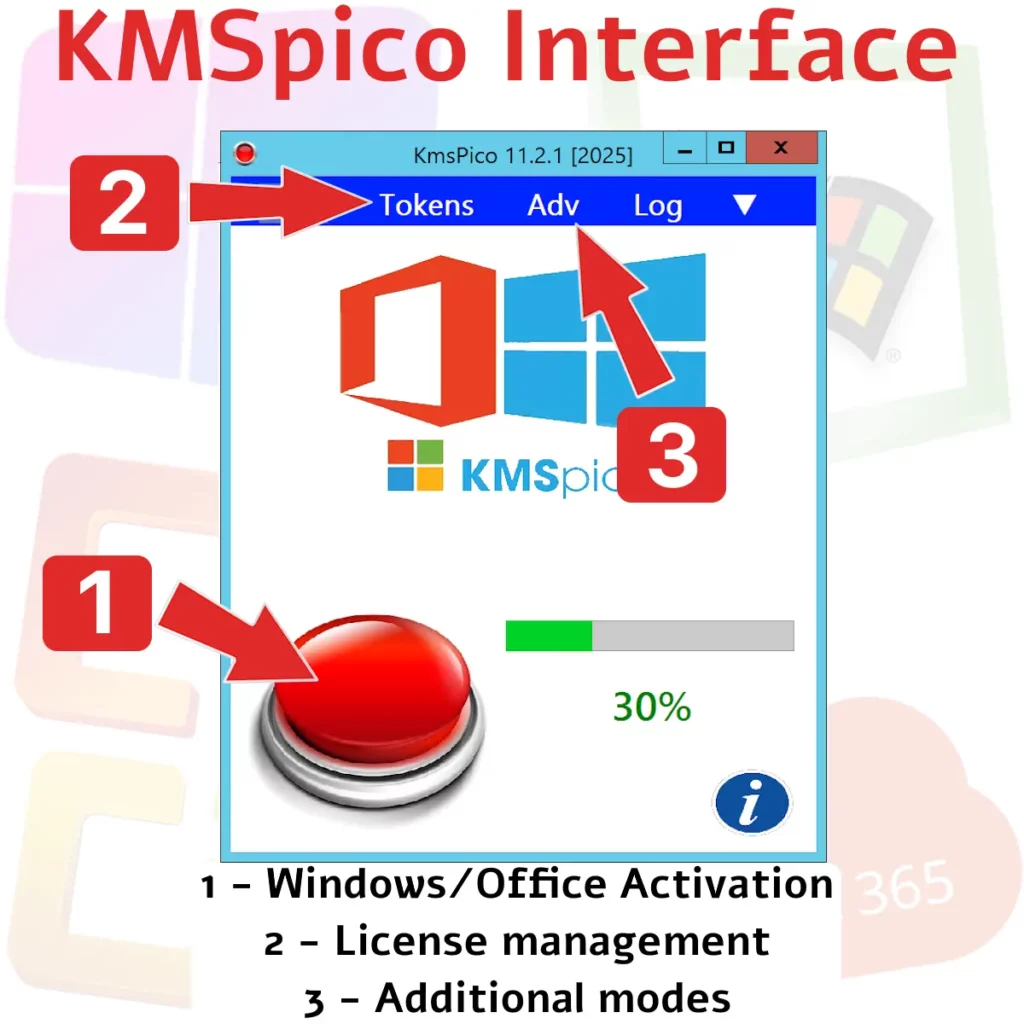
The Key Management Service (KMS) activator plays a crucial role in simplifying and streamlining the process of software activation within enterprise environments. By implementing KMS, organizations can automate the activation of Windows operating systems and Microsoft Office products across their network, ensuring compliance and minimizing administrative overhead. This automation helps IT departments maintain control over software deployments, ultimately improving productivity and reducing the risk of non-compliance with licensing agreements.
Understanding the Role of KMS Activator
KMS is a service used for activating Microsoft products. The kms activator allows an organization to manage its license keys by setting up a local activation server. This server communicates with Microsoft’s activation servers to verify product keys, making it an invaluable tool for large enterprises. With the flexibility to support various organizational needs, KMS activators are designed to handle both physical and virtual environments, thereby offering versatility and scalability that can grow alongside the business.
Benefits of Using a KMS Activator
One of the primary advantages of using a kms activator is centralized control over software licensing. It helps reduce the time and effort required to activate multiple computers manually. Additionally, KMS supports environments that include both physical and virtual machines, though typically requires at least 25 clients for Windows or five clients for Microsoft Office to initiate activation. This centralized approach ensures that all devices remain compliant without requiring constant manual oversight from IT personnel, thus freeing up resources for other critical tasks within the organization.
Moreover, using a kms activator aligns well with strategic IT goals focused on efficiency and cost-effectiveness. As organizations expand or evolve their technological infrastructure, having such a system in place eases transitions and reduces potential disruptions in daily operations. The ability to quickly deploy new installations or updates without extensive manual intervention is particularly advantageous in fast-paced business environments where agility is key.
Setting Up a KMS Server
Deploying a KMS activator involves configuring a server within your network as the KMS host. This can be done using tools like Volume Activation Tools, which are part of the Windows Assessment and Deployment Kit (ADK). Once set up, the server relies on DNS to allow KMS clients to discover and connect for activation requests automatically. Ensuring proper DNS configuration is crucial for seamless operation since it enables clients to locate the activation service without manual configuration on each device.
Hardware Requirements
- At least 2 vCPU cores
- 4 GB RAM minimum
A strategic approach when deploying includes using VMs with snapshot capability to easily revert if initial configurations do not succeed. This minimizes downtime and configuration errors. Moreover, planning for future expansions by considering additional hardware resources can prevent performance bottlenecks as the network grows, ensuring consistent activation services across all devices.
The consideration of hardware capabilities becomes even more significant when assessing network traffic implications during peak usage periods. Adequate preparation ensures that all client machines communicate effectively with the KMS host without delays or timeouts that could disrupt normal operations.
Activation Process with KMS
The kms activator functions through periodic reactivation requests from client devices. Each client must renew its activation status every 180 days; however, it will attempt to renew halfway through this period. This ensures ongoing compliance without administrative intervention. Such automatic renewals are pivotal in maintaining uninterrupted access to software features while reducing the workload on IT staff who would otherwise need to manually ensure each machine remains activated.
This automated process not only saves time but also reduces potential errors associated with manual tracking of license expirations. By entrusting these routine tasks to an automated system powered by a kms activator, businesses can focus more on strategic initiatives that drive growth rather than getting bogged down by administrative details.
KMS Activator Command Utilization
To manually activate a product using KMS, IT administrators might use commands executed via Command Prompt or PowerShell. For example, the Software Licensing Management Tool (SLMGR) command-line tool can be used to configure and manage the licensing process. Understanding these commands empowers IT professionals to troubleshoot issues effectively and ensures that all systems are correctly configured according to organizational policies.
Troubleshooting Common Issues
Occasionally, issues arise such as “The Software Licensing Service reported that the license is not installed.” These can often be resolved by ensuring that all clients have network connectivity and that DNS records are correctly configured for autodiscovery. Regular audits of network configurations can preemptively address potential problems before they impact operations significantly.
KMS Client Setup Key Use
- KMS clients need installation setup keys compatible with their version of Windows or Office versions.
- Ensure your product keys are valid and have been entered correctly.
Proper management of these keys is vital because incorrect entries can lead to failed activations or compliance issues. Having an organized system for tracking key allocations can aid in quickly resolving any discrepancies that might arise during client installations or updates.
Efficiency Gains with KMS Activator
The deployment of a kms activator offers significant efficiency gains by automating the activation process across thousands of devices in larger networks. Moreover, centralizing licensing data aids in auditing and tracking software usage, paving the way for informed decision-making regarding licensing expenditures. This centralized data repository allows organizations to identify trends in software usage patterns, which can influence future purchasing decisions or negotiations with vendors.
Considerations When Using a Windows Activator
The security implications when leveraging any windows activator cannot be overstated. The importance of maintaining an up-to-date system environment and ensuring antivirus solutions are running is critical. This prevents potential exploitation by malicious entities attempting unauthorized access or distribution of malware via compromised systems. Regular security assessments and updates ensure that vulnerabilities are patched promptly, safeguarding organizational assets against emerging threats.
Sustainability with KMSpico Windows 10 Activator
The use of tools such as KMSpico windows 10 activator has become widespread due to their ability to facilitate quick deployment across various setups. While officially unsupported by Microsoft, understanding their place in legacy systems can aid in transitions towards more compliant solutions. As businesses evolve technologically, assessing whether these tools align with current compliance requirements becomes essential for long-term sustainability.
Conclusion: Maximizing ROI with KMS Activation Utility
KMS provides an essential service for effective license management within enterprise networks. By using tools like kms activator efficiently, organizations gain control over their software assets while reducing costs associated with manual processes. The key lies in proper implementation and continuous monitoring to ensure optimal performance and compliance. Investing time in understanding how these services integrate into existing infrastructure can lead to substantial returns on investment through reduced operational expenses and enhanced regulatory adherence.